Should sales or finance follow up on this invoice?
Choose the next owner from the reason the invoice is open. One person sends the next message, and the team shares what happened.
By the Duebird team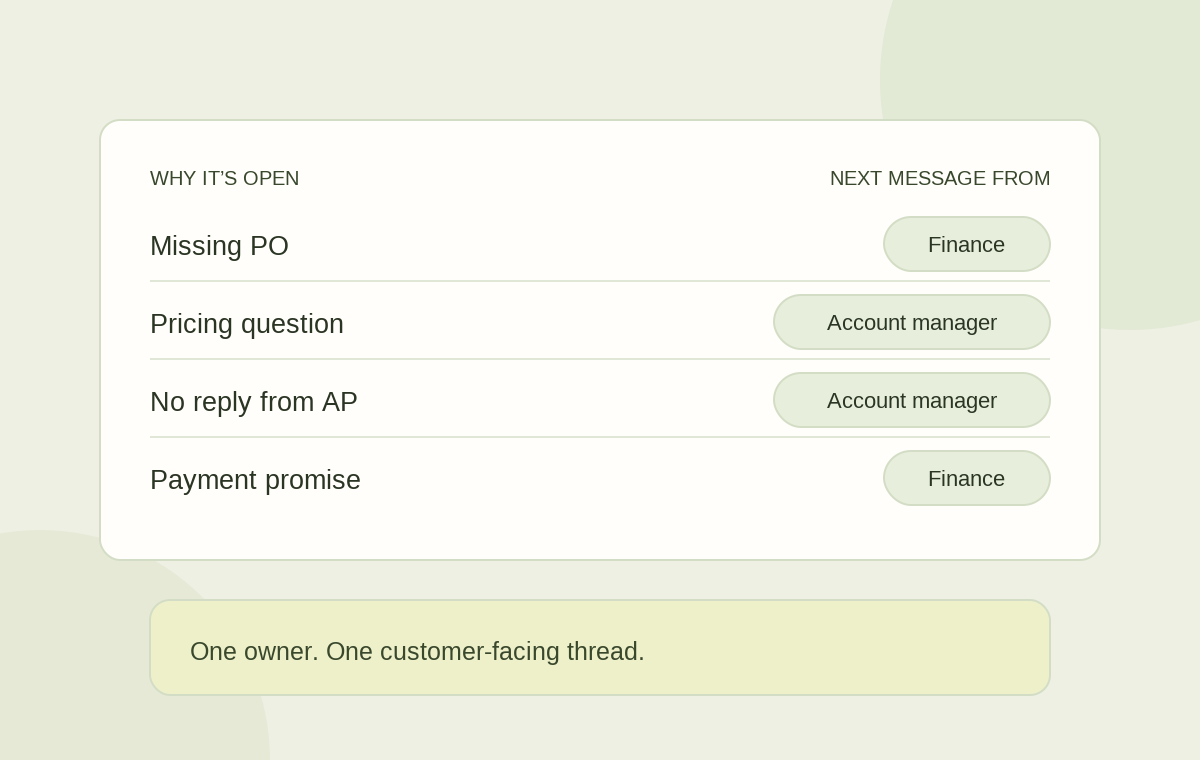
The reason an invoice is open decides who follows up: finance for billing details, the account manager for a commercial question or a silent contact. Give one person the next message and share the outcome.
Choose the next owner from the reason the invoice is open. Finance may need to fix billing details. The account manager may need to resolve a commercial question. Sales may be best placed to reach a contact who has stopped replying. Keep one owner for the next message and share the outcome with the team.
Assigning by habit sends the wrong message. A pricing question chased by an AR reminder reads as pressure. A missing PO chased by the account manager reads as small talk.
Classify the open invoice before assigning outreach
Read the latest reply and the account before choosing who writes next. Most open invoices fall into a few reasons, and each points to a different person.
- Missing invoice information, such as the wrong entity or recipient.
- A pricing or scope question about a charge.
- A missing PO or other required reference.
- An AP contact who has not replied.
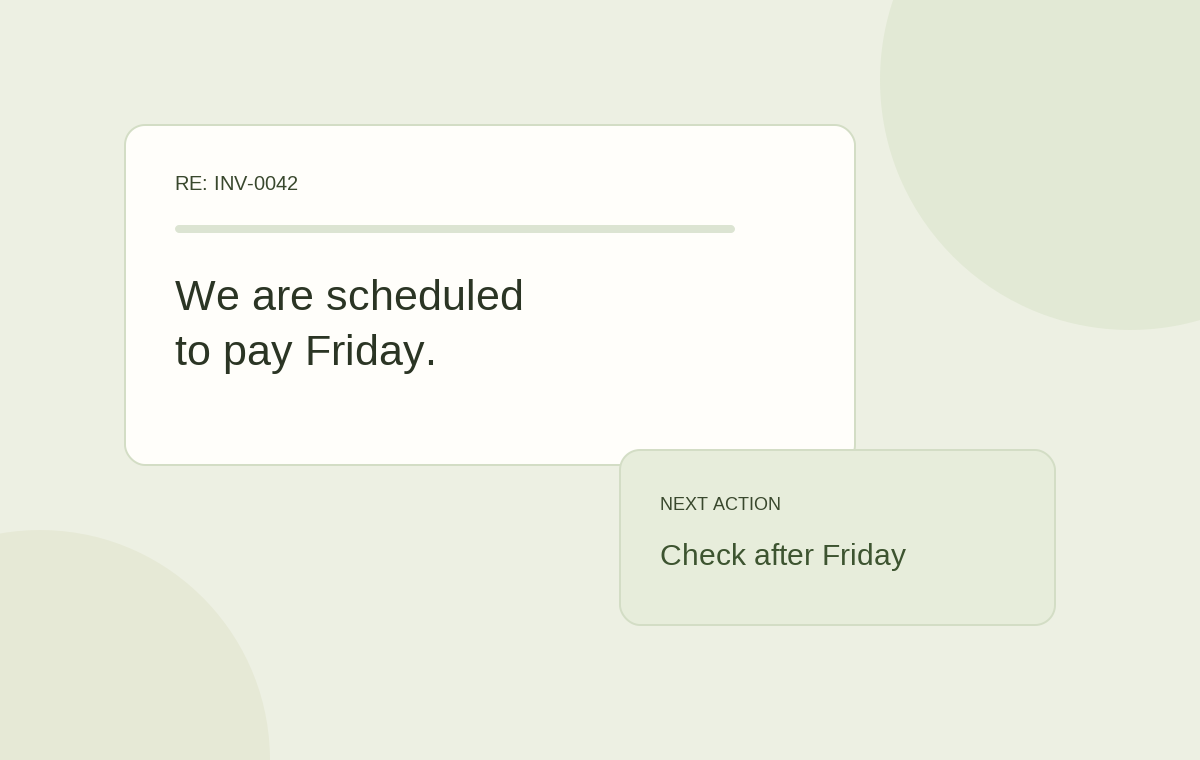
- A payment promise with a date.
- Money received but not yet applied.
Assign the next action
Give each reason a default owner and a supporting colleague. Neither team is always better at follow-up. The reason for the delay decides who is best placed.
| Reason open | Default owner | Supporting | Next customer message |
|---|---|---|---|
| Missing invoice information | Finance | Account manager | The corrected invoice |
| Pricing or scope question | Account manager | Finance | An answer to the question |
| Missing PO | Finance | Account manager | The reference request |
| AP contact not replying | Account manager | Finance | A check-in with the right contact |
| Payment promise | Finance | — | A follow-up after the promised date |
| Received but not applied | Finance | — | None until it is applied |
When finance owns the next step, keep the finance review in view so the invoice, reply, and payment are checked together.
Keep one customer-facing thread
Before anyone writes, check the latest reply and the payment status. Two people sending different messages about one invoice tells the customer nobody has the full picture.
In a small team, one person may sell, bill, and collect. The rule still helps: decide which role the next message speaks from.
Account managers can see the sales and renewal workflow with billing and payment status in the same account.
Escalate the exception without losing context
When the owner changes, hand over the context with it. A short internal note saves the next person from reading the whole thread.
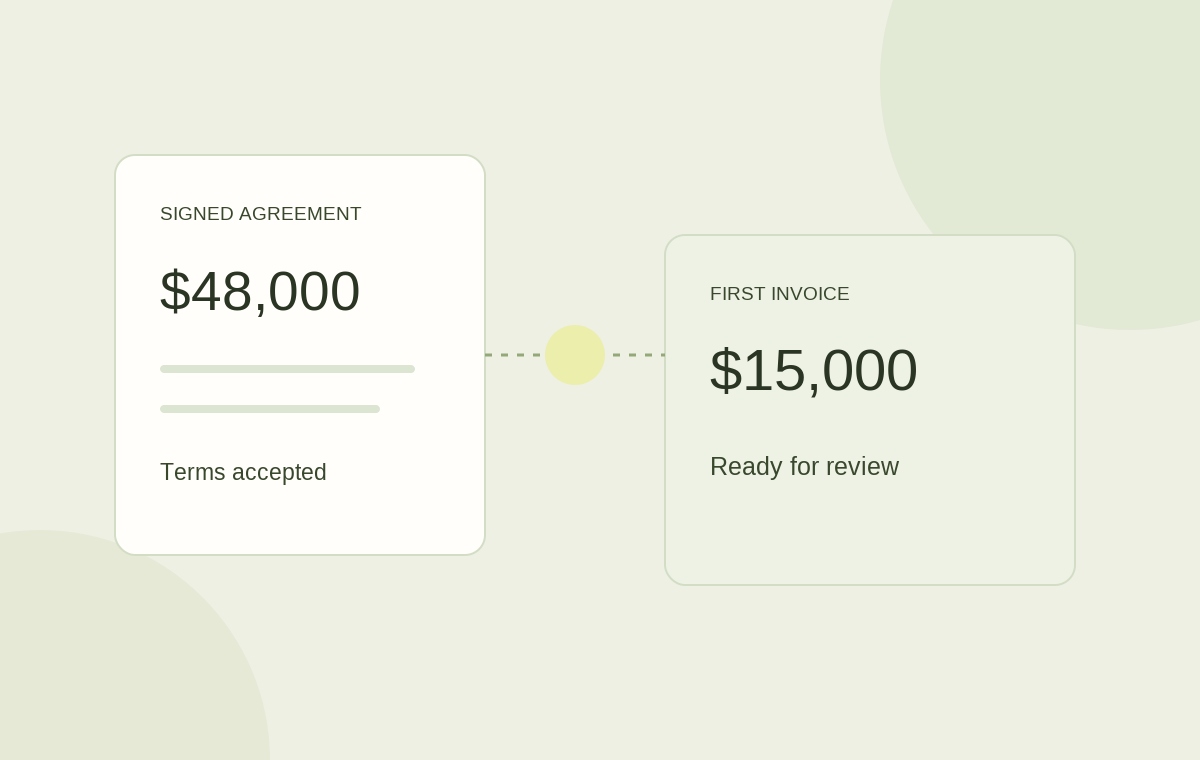
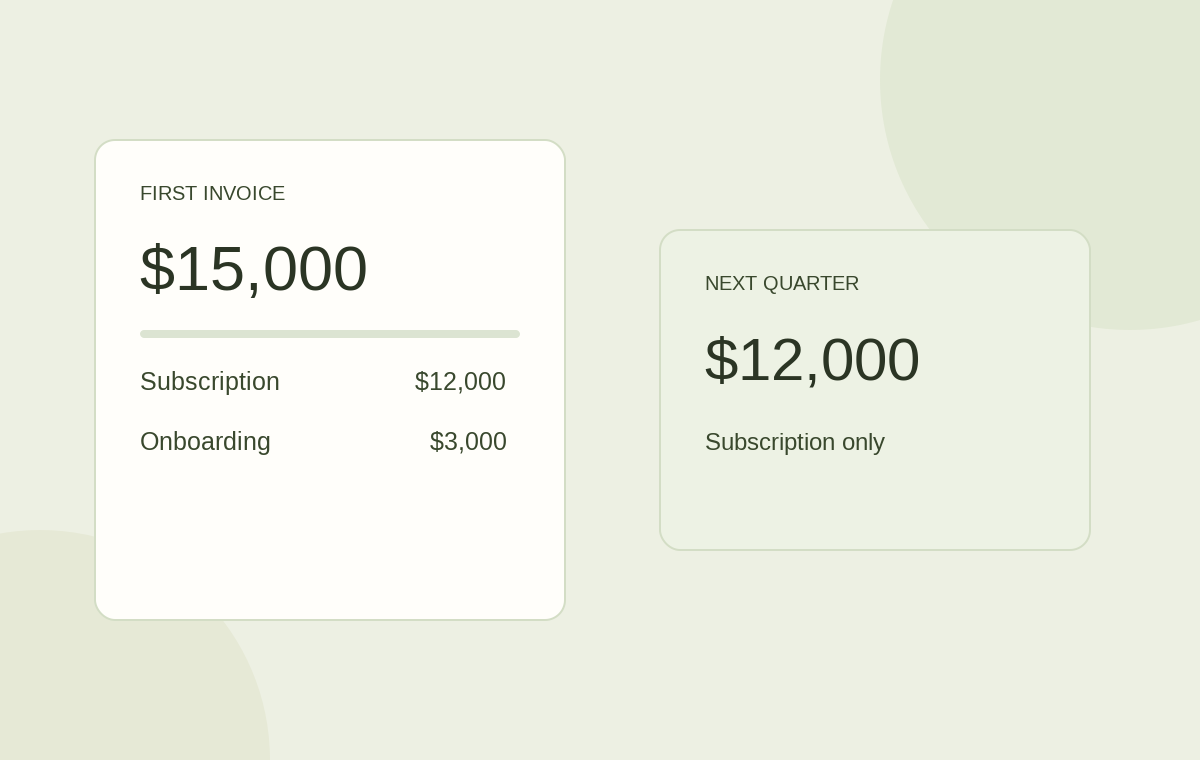
For example: “Maya, INV-0042 is still open. Jordan asked on Tuesday why onboarding appears twice under the agreement signed in October. Can you answer by Friday? I’ll hold reminders until then.” A change to the invoice itself still goes through the usual review.
Keep the conversation with the receivable
Duebird keeps billing questions, contacts, invoices, and replies in the account your team works from. Sales and finance see the same history before either writes to the customer.
Bring one open invoice with a recent reply to a walkthrough, and decide who should send the next message.
Teams use the shared AR inbox to keep customer replies and the next action together.
Choose the owner from the reason the invoice is open. One person sends the next message.